
This blog by Mariana Martínez Castrejón, Felipe Covarrubias Melgar, and Ulises Moreno Tabarez is the third in the Afro-Indigenous Spectralities series. The blogs are linked to a series of events funded by the IJURR Foundation Majority Workshops project running from June-December 2025.
The blog is presented here first in English and then in Spanish.
Published: 27.02.2026
The close of 2025 coincided with the end of a key phase of the workshop series Afro-Indigenous Spectralities: Coastal Urbanism, Climate Crisis, and the Afterlives of Ethnoracial Capitalism in Guerrero. On 20 and 21 December, the group met again in Acapulco to give final shape to a process that had begun months earlier online and that has, since then, been sustained through intermittent meetings, ongoing conversations, and collective work marked by distance, multiple schedules, and the uneven rhythms typical of any emerging interdisciplinary network.
This final encounter was not conceived as a ceremonial closing event, nor as a definitive conclusion. Rather, it was a reflective pause: a moment to review what had been achieved, identify what remained pending, and, above all, think together about how to sustain a working network beyond the workshop’s formal calendar and beyond funding timelines. In that sense, the meeting functioned both as an assessment and as a projection.
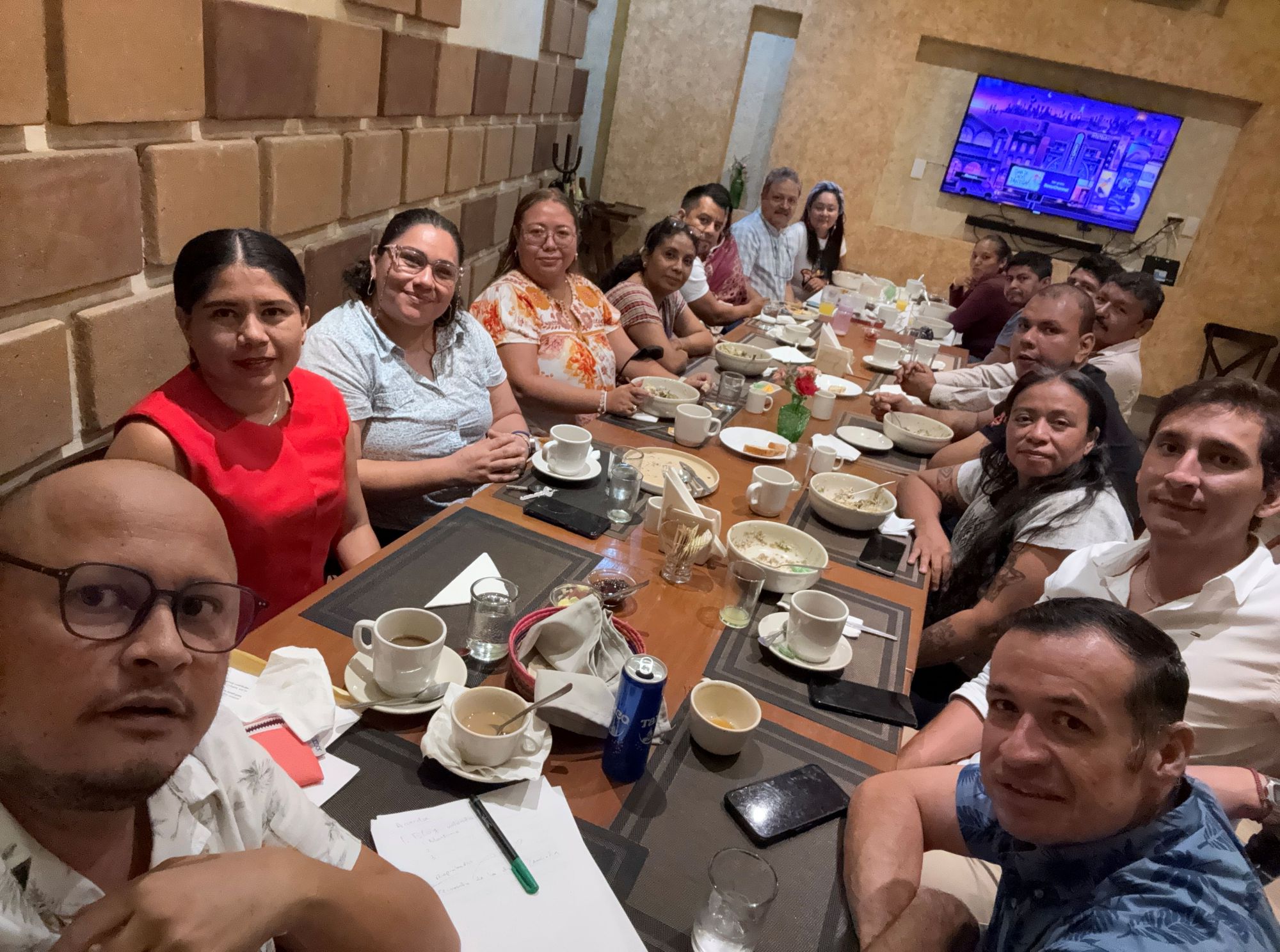
Figure 1. Final gathering of those who have shaped the collective work around spectralities. Photo by Ulises Moreno Tabarez.
Closing the year, closing the cycle
December in Acapulco has a particular atmosphere. The city moves between the exhaustion of a year ending and the anticipation of what is to come. This final encounter took place within that temporal threshold, conceived not as a definitive closure but as a reflective pause: an ending that recognises what has been done while leaving open the questions that must continue to be worked through.
From the outset, the seminar set out to bring together participants from diverse trajectories, disciplines, and institutional positions: early-career and established researchers, university lecturers, students, artists, people connected to community processes, and those engaged in local cultural practices. This interdisciplinary and transgenerational composition was not imagined as an abstract value, but as a necessary condition for addressing—situatedly—complex problems such as coastal urbanism, the climate crisis, and the persistences of ethnoracial capitalism in Guerrero, through the production of situated knowledge.
Throughout the process—and especially visible in this last meeting—it became clear that building and sustaining a network of this kind involves real tensions: differences in writing timelines, disciplinary languages, work and care obligations, and the material possibilities of being physically present. Far from concealing these tensions, they were named and discussed as a constitutive part of collective work. The network is not understood here as an already consolidated structure, but as an assemblage in process, requiring attention, adjustment, and ongoing commitment.
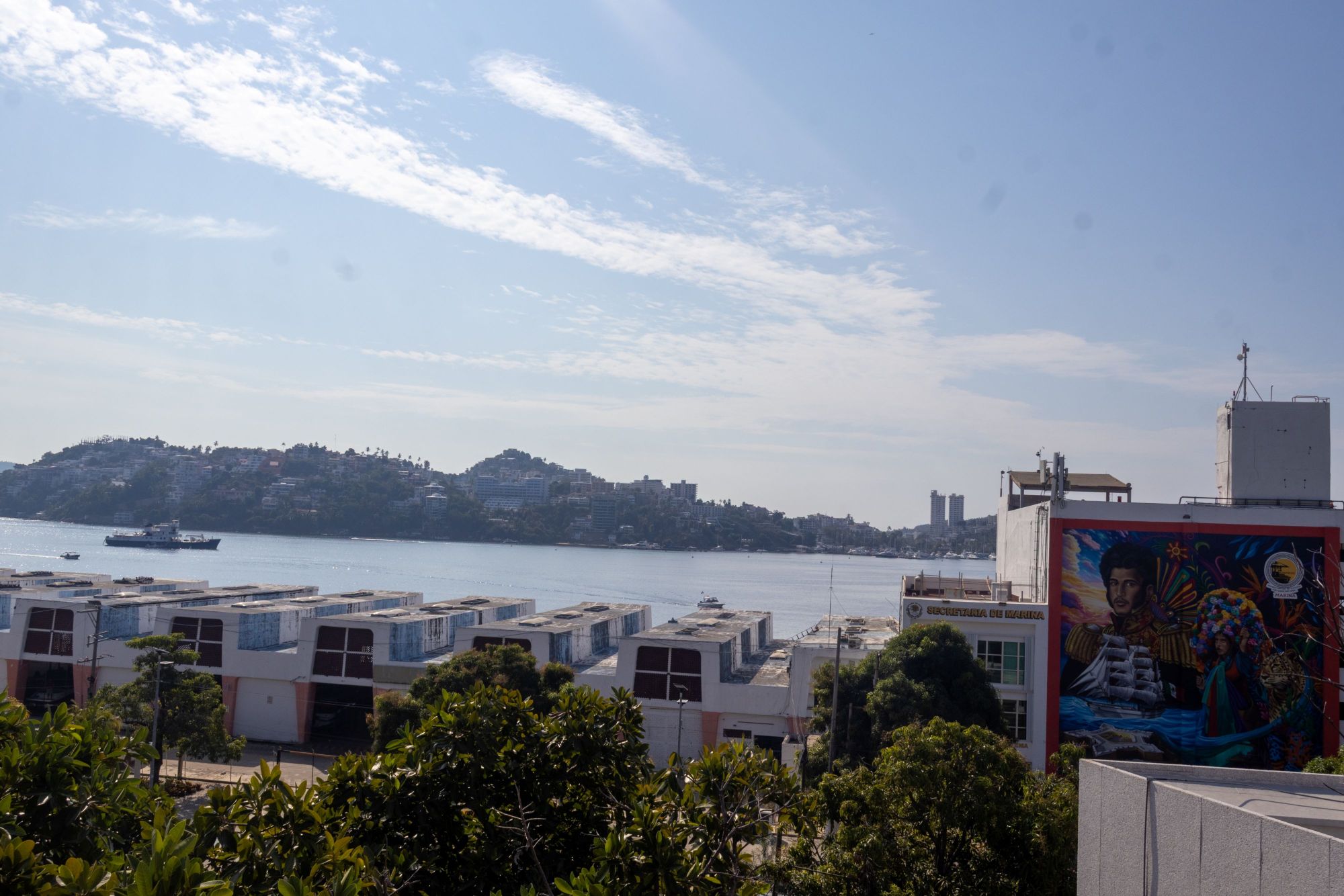
Figure 2. Urban landscape of Acapulco; in the mural, Mexico’s first Afro-descendant president, General Vicente Guerrero Saldaña. Photo by Miguel Angel Liborio Maceda
Saturday morning: spectres around the table
The weekend’s activities (working breakfasts, collective review sessions at the Fuerte de San Diego, shared meals, and informal conversations) functioned as key methodological spaces. In them, the group moved forward with reviewing texts at different stages of development, identified common thematic lines, strengthened a shared bibliographic base, and discussed concrete strategies for accompanying projects still in draft form. These spaces confirmed that collective intellectual work does not take place only in formal formats, but also in the everydayness of meeting, in minor disagreement, in humour, and in listening.
Here, the spectres were us: those who, from different trajectories and disciplines, have sustained the workshop. Between coffee, bread, and shared dishes, themes resurfaced that have run through the entire process: the fragility of coastal territories, memories that do not always find a place in official archives, and the ways ethnoracial capitalism continues to produce very concrete absences. Beyond the workshop’s formal formats, it was this shared interest—in coastal territories, displaced memories, and common questions—that sustained continuity through sessions, pauses, and reunions.
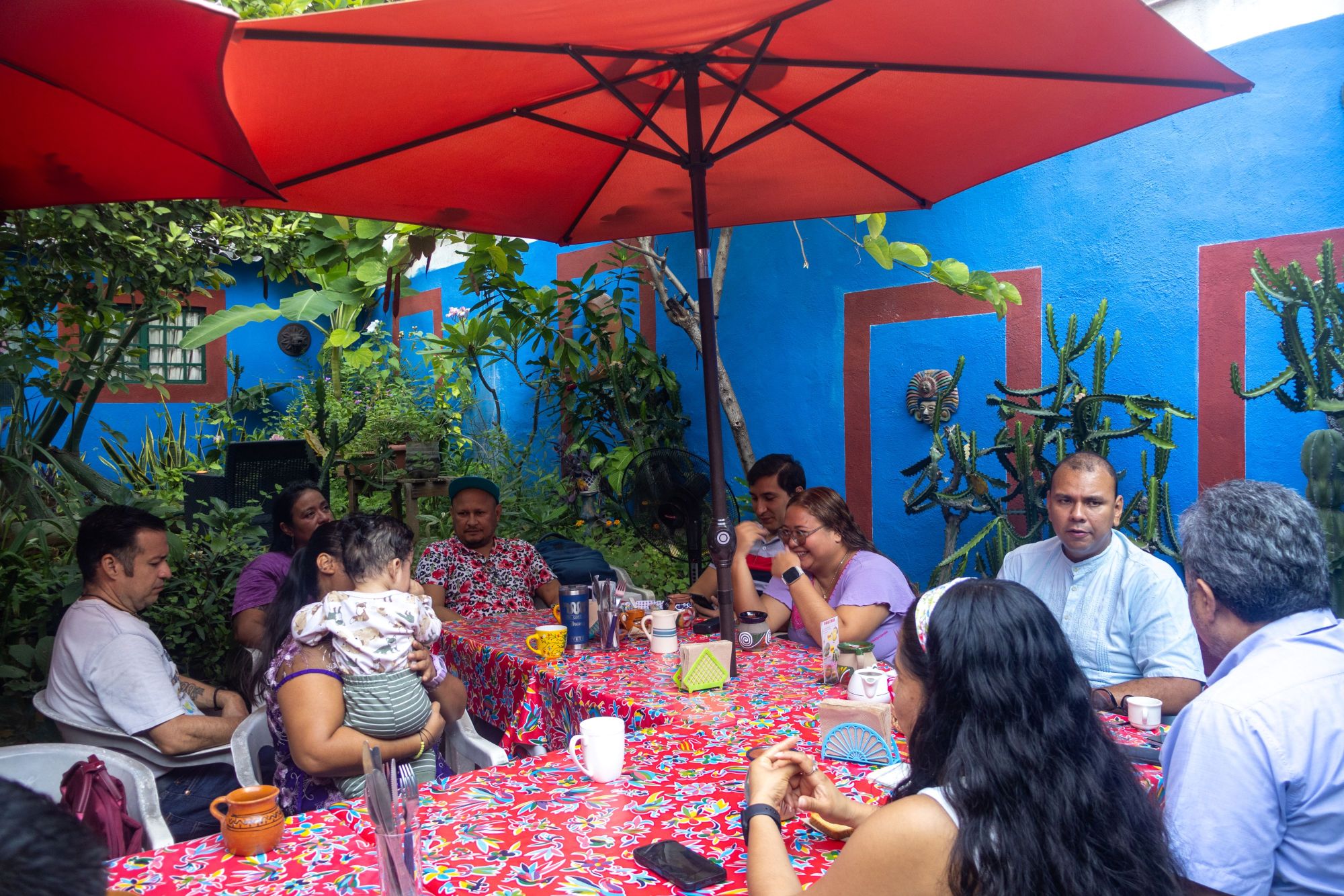
Figure 3. Breakfast, shared tables, and the incorporation of a newly born member who received the affection of all the spectres. Photo by Miguel Angel Liborio Maceda
The Fuerte de San Diego: commitments and continuity
After sharing breakfast, the group gathered at the Museo Fuerte de San Diego, a space that had already served as a setting for reflection in previous meetings. This time, however, the intention was different. Rather than “reading” the territory, the aim was to organise the collective work and establish clear commitments for the continuity of the academic and scientific projects that emerged during the workshop. Continuity here was not conceived in terms of immediate results or closed achievements, but as a sustained commitment to uneven processes—some more advanced than others—that require long-term accompaniment.
The session focused on reviewing progress, identifying delays, and, above all, agreeing on possible pathways. The group discussed the status of texts in process, the need to support those still in draft form, and the importance of maintaining a reference base built collectively. The fort, with its historical weight, once again reminded us that every intellectual project is inscribed within layers of time longer than the workshop itself.
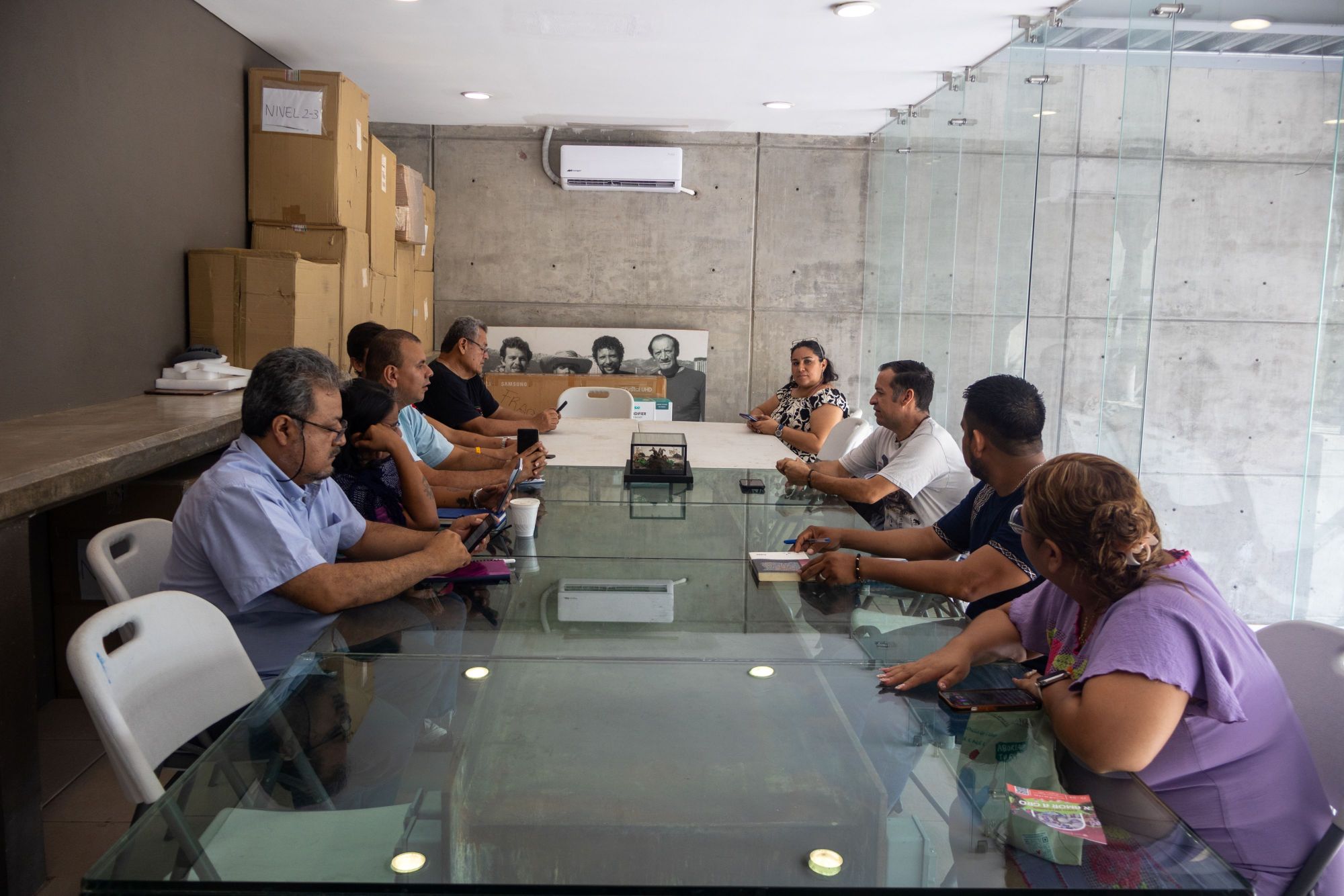
Figure 4. Beginning of the collective work session inside the Fuerte de San Diego. Photograph: Miguel Angel Liborio Maceda
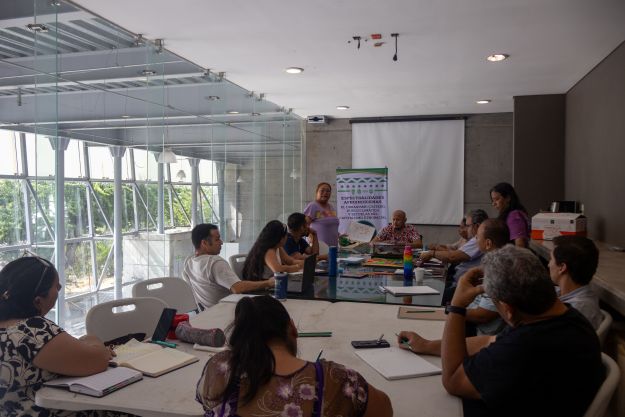
Figure 5. Work session on coastal urbanism. Photo by Miguel Angel Liborio Maceda
Sharing the table, extending the conversation
The work continued in a restaurant in Acapulco’s historic centre. Far from interrupting reflection, the meal allowed it to continue by other means. Sharing the table and dishes strengthened bonds of friendship, while conversations turned to the multiple forms of the spectral: absent presences operating in social, economic, spiritual, and ecosystemic registers. These informal conversations made visible an interdisciplinarity in action, where analytical categories, situated experiences, and affective registers intertwined without the need to unify perspectives.
In these discussions, the question of Afro-Indigenous communities on Guerrero’s coasts re-emerged with force: the structural conditions they face, and the identification of a community-oriented thinking that shapes coastal urbanism. Speaking of spectralities meant recognising not only what is missing, but also what insists: knowledges, practices, and memories that refuse to disappear, even when they do not always receive institutional recognition.
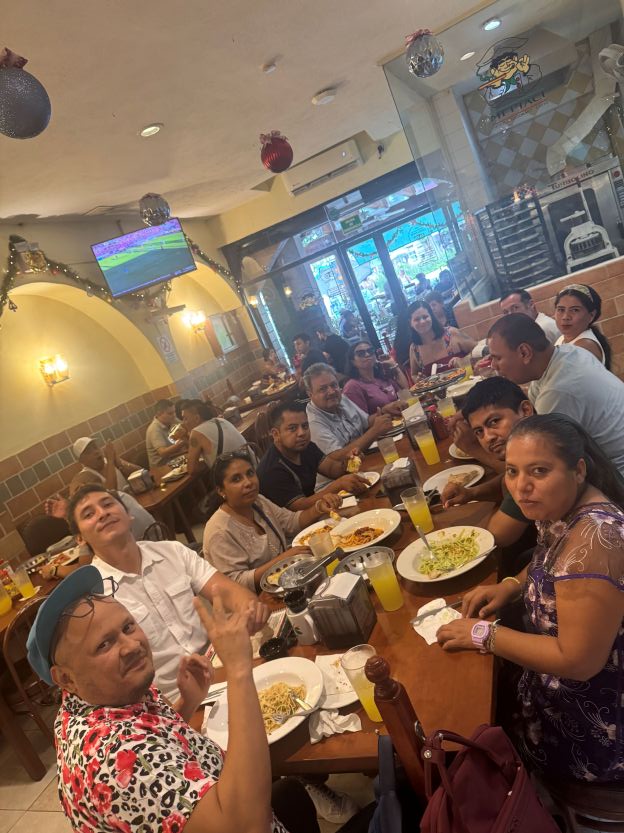
Figure 6. Meal in Acapulco’s historic centre. Photo by Miguel Angel Liborio Maceda
Sunday: closing without solemnity
Sunday, 21 December began with a lively breakfast in Acapulco’s Zona Dorada. It was there that an apparently trivial phrase became one of the most remembered moments of the encounter: “I don’t get ham.” The expression—said by a colleague while tasting French bread accompanied by cured serrano ham—provoked immediate laughter and condensed something deeper: the possibility of disagreeing, even in culinary matters, without dramatising it.
The phrase lingered as a reminder that collective work is also built from the everyday, from minor discomfort, and from shared humour. Not every disagreement requires a theoretical framework; sometimes it is enough to acknowledge that something simply does not pair well. This minimal gesture recalled that building a working network also depends on the ability to disagree without breaking, to mark differences without closing dialogue.
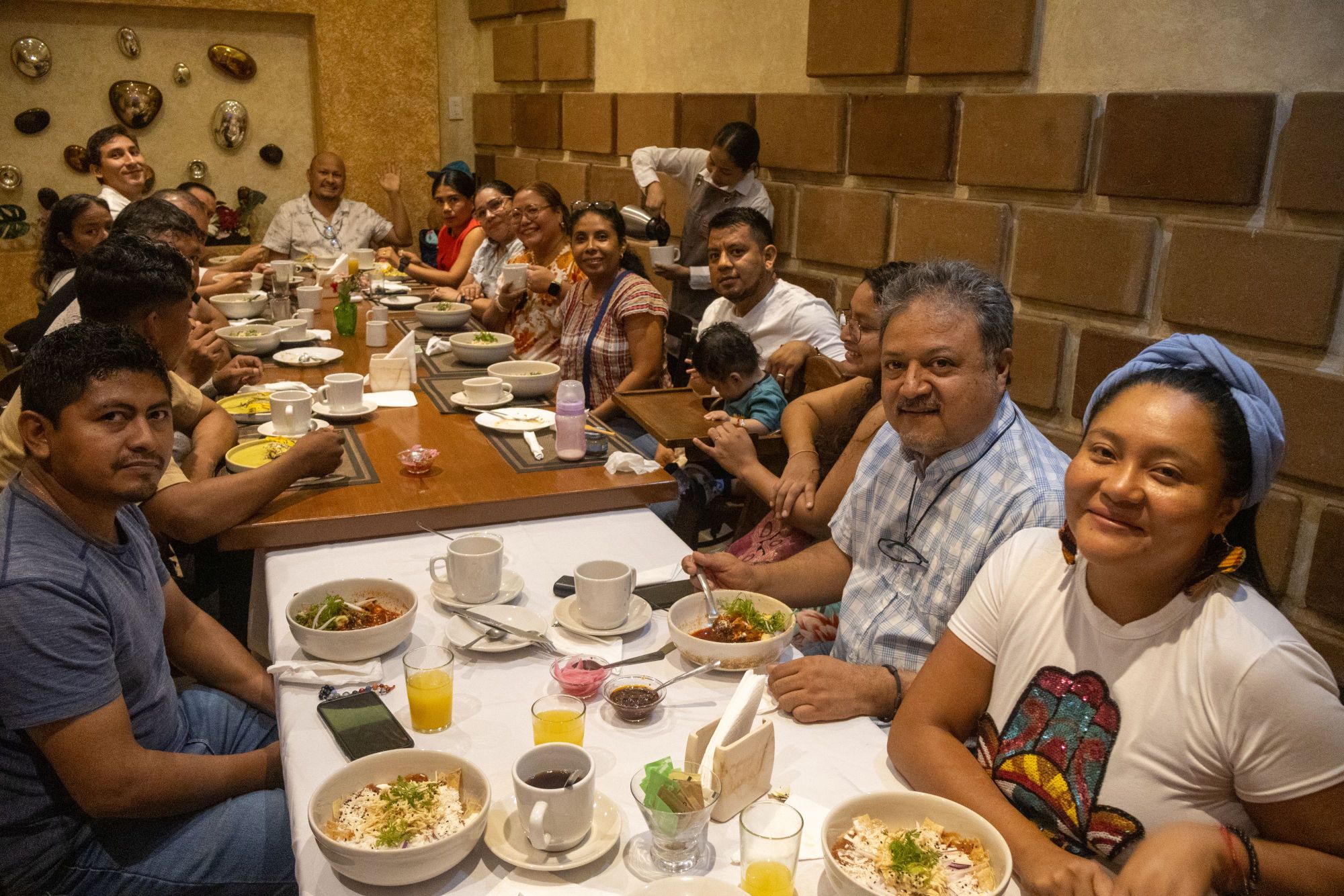
Figure 7. Group breakfast with traditional coastal dishes. Photo by Miguel Angel Liborio Maceda
Light review and editorial close
After breakfast, the group carried out a light review aimed at closing this phase of the workshop. The most advanced projects (in terms of drafting) were moved forward, the collectively gathered reference base was reviewed, and final adjustments were discussed for texts still in draft form.
This space also revisited organisational agreements: follow-up on seminar certificates, progress on the Afro-Indigenous Collective Library—which will involve students doing social service to produce summaries—and the need to strengthen the project website, incorporating collaborations with local artists in digital formats. These organisational tasks formed part of the effort to provide the network with a minimal infrastructure capable of sustaining future exchanges beyond the in-person encounter.
The group also proposed exploring links with other collectives, such as Liviana, with a view to possible future collaborations. In addition, it was agreed to move forward with organising two upcoming in-person meetings: one focused on defining interventions and publishable articles, and another oriented toward the formalisation of the Afro-Indigenous Spectralities network as a research network to continue exploring Afro-descendant cultural roots.
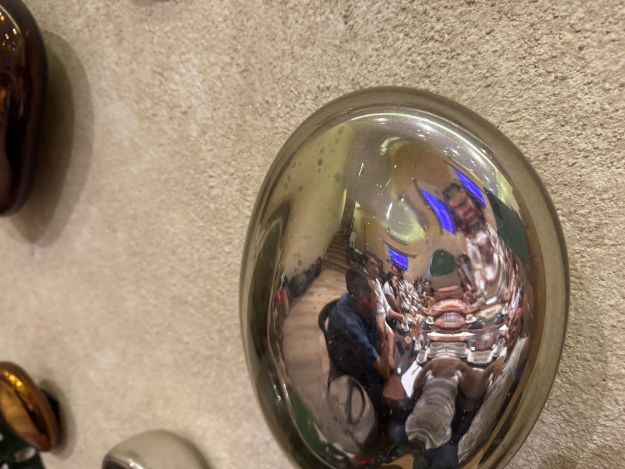
Figure 8. The reflection of several spectres. Photo by Ulises Moreno Tabarez.
What comes after the closing
The meeting concluded with a collective photograph—a simple gesture that marked the end of this phase and, at the same time, the continuity of a collective process.
Closing the workshop does not mean closing the questions that animated it. On the contrary, this final encounter made it clear that the spectral continues to operate as both method and sensibility: a way of attending to what persists, even when it is not always visible. What began as a seminar has been transforming into a network under construction, whose future will depend less on formal calendars and more on the capacity to sustain listening, care, and shared work.
More than speaking of consolidation or success, the end of this phase reaffirmed a shared disposition: to keep working from interest, care, and commitment, even while recognising that every network under construction advances unevenly.
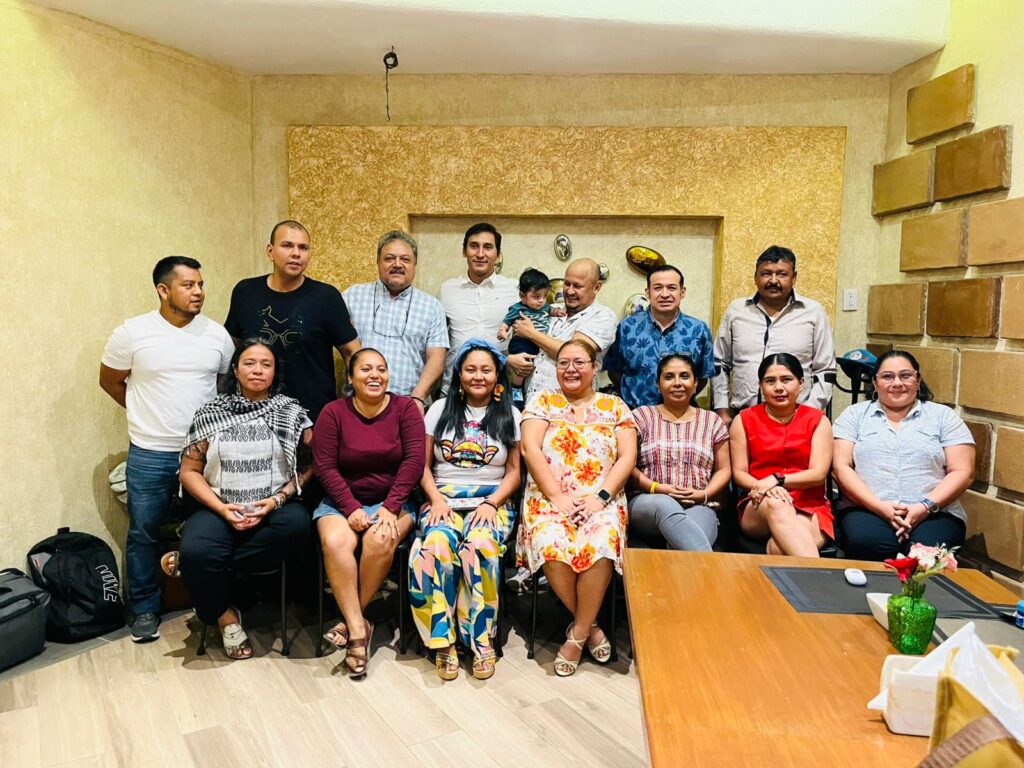
Figure 9: First members of the Afro-Indigenous Spectralities Network. Photo by Miguel Angel Liborio Maceda
Previous: Blog 2: Common Spectralities: Territorial Conjurings of Presence and Memory
Next: On building quiet human infrastructures of care in global academia
Back to Voices from the community (main blog page)
*********************************************************************************
Spanish version:
Espectralidades afroindígenas: una red en construcción desde el urbanismo costero de Guerrero
–Mariana Martínez Castrejón, Felipe Covarrubias Melgar y Ulises Moreno Tabarez
El cierre del año 2025 coincidió con el cierre de una etapa clave de la serie talleres titulada Espectralidades afro-indígenas: urbanismo costero, crisis climática y secuelas del capitalismo etnorracial en Guerrero. Los días 20 y 21 de diciembre, el grupo volvió a encontrarse en Acapulco para dar forma final a un proceso que había comenzado meses atrás en modalidad virtual y que, desde entonces, se ha sostenido a través de encuentros intermitentes, conversaciones continuas y un trabajo colectivo marcado por la distancia, las agendas múltiples y los ritmos desiguales propios de toda red interdisciplinaria en formación.
Este último encuentro no fue concebido como un evento de cierre ceremonial, ni como una conclusión definitiva. Fue, más bien, una pausa reflexiva: un momento para revisar lo avanzado, identificar los rezagos y, sobre todo, pensar colectivamente cómo sostener una red de trabajo más allá del calendario formal del taller y de los tiempos de financiamiento. En ese sentido, el encuentro funcionó tanto como balance como proyección.
Figura 1 Último encuentro de quienes han dado forma al trabajo colectivo en torno a las espectralidades. Foto de Ulises Moreno Tabarez
Cerrar el año, cerrar el ciclo
Diciembre en Acapulco ofrece una atmósfera particular. La ciudad se mueve entre el cansancio del año que termina y la expectativa de lo que viene. En ese umbral temporal se inscribió este encuentro final, pensado no como clausura definitiva, sino como pausa reflexiva: un cierre que reconoce lo hecho y deja abiertas las preguntas que deberán seguir trabajándose.
Desde el inicio, el seminario apostó por reunir a participantes provenientes de trayectorias, disciplinas y posiciones institucionales diversas: investigadoras e investigadores jóvenes y consolidados, docentes universitarios, estudiantes, artistas, personas vinculadas a procesos comunitarios y a prácticas culturales locales. Esta composición interdisciplinaria y transgeneracional no fue pensada como un valor abstracto, sino como una condición necesaria para abordar de manera situada problemáticas complejas como el urbanismo costero, la crisis climática y las persistencias del capitalismo etnorracial en guerrero, desde la producción de conocimiento situado.
A lo largo del proceso, y de manera especialmente visible en este último encuentro, se hizo evidente que construir y sostener una red de este tipo implica tensiones reales: diferencias en los tiempos de escritura, en los lenguajes disciplinarios, en las obligaciones laborales y de cuidado, así como en las posibilidades materiales de presencia. Lejos de ocultarlas, estas tensiones fueron nombradas y discutidas como parte constitutiva del trabajo colectivo. La red no se entiende aquí como una estructura ya consolidada, sino como un ensamble en proceso, que requiere atención, ajustes y compromiso continuo.
Figura 2 paisaje urbano de Acapulco, en el mural el primer presidente mexicano afrodescendiente, General Vicente Guerrero Saldaña. Foto de Miguel Angel Liborio Maceda
Sábado por la mañana: espectros alrededor de la mesa
Las actividades del fin de semana (desayunos de trabajo, sesiones de revisión colectiva en el Fuerte de San Diego, comidas compartidas y conversaciones informales) funcionaron como espacios metodológicos clave. En ellos se avanzó en la revisión de textos en distintas fases de desarrollo, se identificaron líneas temáticas comunes, se fortaleció una base bibliográfica compartida y se discutieron estrategias concretas para acompañar los proyectos que aún se encuentran en etapa de borrador. Estos espacios confirmaron que el trabajo intelectual colectivo no ocurre únicamente en formatos formales, sino también en la cotidianidad del encuentro, en el desacuerdo menor, en el humor y en la escucha.
Aquí, los espectros éramos nosotras y nosotros: quienes, desde distintas trayectorias y disciplinas, han sostenido el taller. Entre café, pan y platos compartidos, reaparecieron temas que han atravesado todo el proceso: la fragilidad de los territorios costeros, las memorias que no siempre encuentran lugar en los archivos oficiales, y las formas en que el capitalismo etnorracial sigue produciendo ausencias muy concretas. Más allá de los formatos formales del taller, fue este interés compartido, por los territorios costeros, por las memorias desplazadas y por las preguntas comunes, el que sostuvo la continuidad del proceso entre sesiones, pausas y reencuentros.
Figura 3 Desayuno, mesas compartidas y la incorporación de un integrante recién nacido quien se llevó el afecto de todos los espectros. Foto de Miguel Angel Liborio Maceda
El Fuerte de San Diego: compromisos y continuidad
Después de convivir en el desayuno, el grupo se reunió en el Museo Fuerte de San Diego, espacio que ya había funcionado como escenario de reflexión en encuentros previos. Esta vez, sin embargo, la intención fue distinta. Más que leer el territorio, se trató de ordenar el trabajo colectivo y establecer compromisos claros para la continuidad de los proyectos académicos y científicos que se gestaron durante el taller. La continuidad aquí no se pensó en términos de resultados inmediatos o logros cerrados, sino como compromiso sostenido con procesos desiguales, algunos más avanzados que otros, que requieren acompañamiento a largo plazo.
La sesión se concentró en revisar avances, identificar rezagos y, sobre todo, acordar rutas posibles. Se discutió el estado de los textos en proceso, la necesidad de acompañar a quienes aún estaban en fase de borrador y la importancia de sostener una base de referencias construida colectivamente. El fuerte, con su carga histórica, volvió a recordarnos que todo proyecto intelectual se inscribe en capas de tiempo más largas que el propio taller.
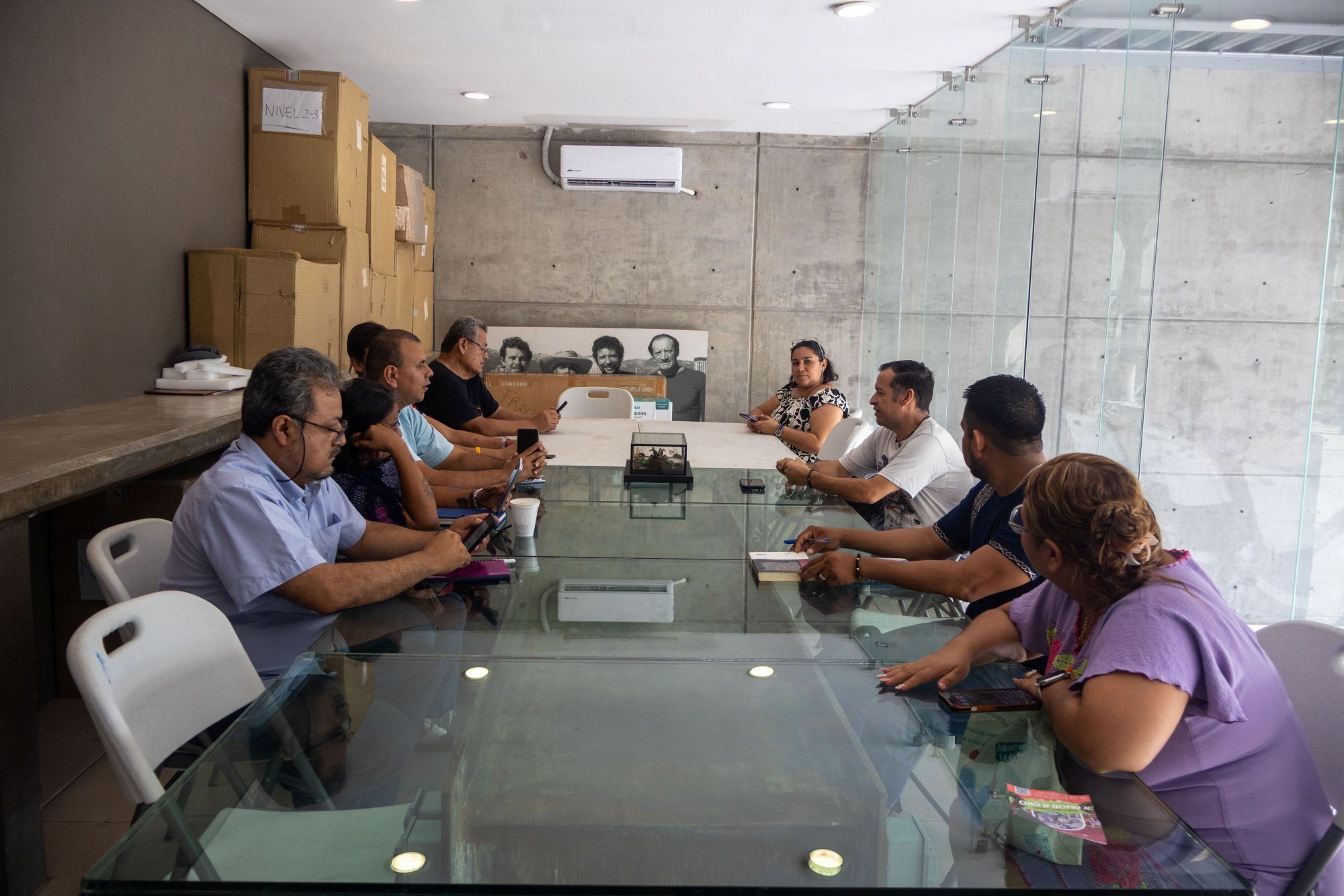
Figura 4 Inicio de la sesión de trabajo colectivo al interior del Fuete de San Diego. Foto de Miguel Angel Liborio Maceda
Figura 5 Sesión de trabajo sobre urbanismo costeño. Foto de Miguel Angel Liborio Maceda
Compartir la mesa, extender la conversación
El trabajo continuó en un restaurante del centro histórico de Acapulco. Lejos de interrumpir la reflexión, la comida permitió extenderla por otros medios. El compartir la mesa y los platillos fortaleció los lazos de amistad, mientras las conversaciones giraron en torno a las múltiples formas de lo espectral: presencias ausentes que operan en lo social, lo económico, lo espiritual y lo ecosistémico. Estas conversaciones informales hicieron visible una interdisciplinariedad en acto, donde categorías analíticas, experiencias situadas y registros afectivos se entrelazaron sin necesidad de unificar perspectivas.
En estas charlas reapareció con fuerza la pregunta por las comunidades afro-indígenas de las costas de Guerrero, las condiciones estructurales que enfrentan y la identificación de un pensamiento comunitario que incide en el urbanismo costeño. Hablar de espectralidades implicó reconocer no solo lo que falta, sino también lo que insiste: saberes, prácticas y memorias que se niegan a desaparecer, aun cuando no siempre encuentren reconocimiento institucional.
Figura 6: comida en el centro histórico de Acapulco. Foto de Miguel Angel Liborio Maceda
Domingo: cerrar sin solemnidad
El domingo 21 de diciembre comenzó con un desayuno animado en la zona Dorada de Acapulco. Fue ahí donde una frase aparentemente trivial se convirtió en uno de los momentos más recordados del encuentro: “no le entiendo al jamón”. La expresión, dicha por una compañera al probar un pan francés acompañado de jamón serrano curado, provocó risas inmediatas y condensó algo más profundo: la posibilidad de disentir, incluso en lo culinario, sin dramatizarlo.
La frase quedó flotando como recordatorio de que el trabajo colectivo también se construye desde lo cotidiano, desde la incomodidad menor y desde el humor compartido. No todo desacuerdo requiere un marco teórico; a veces basta con reconocer que algo simplemente no combina. Este gesto mínimo recordó que la construcción de una red de trabajo también se apoya en la posibilidad de disentir sin romper, de marcar diferencias sin clausurar el diálogo.
Figura 7 desayuno grupal con platillos tradicionales costeños. Foto de Miguel Angel Liborio Maceda
Revisión ligera y cierre editorial
Después del desayuno, se realizó una revisión ligera orientada a cerrar esta etapa del taller. Se encaminaron los proyectos más avanzados en términos de redacción, se revisó la base de referencias recuperadas colectivamente y se discutieron ajustes finales para los textos que permanecen en fase de borrador.
En este espacio también se retomaron acuerdos organizativos: el seguimiento de las constancias del seminario, el avance de la Biblioteca Colectiva Afroindígena, que contará con estudiantes en servicio social para la elaboración de resúmenes, y la necesidad de fortalecer la página web del proyecto, incorporando colaboraciones de artistas locales en formato digital. Estas tareas organizativas formaron parte del esfuerzo por dotar a la red de una infraestructura mínima, capaz de sostener intercambios futuros más allá del encuentro presencial.
Asimismo, se planteó la exploración de vínculos con otros colectivos, como Liviana, con miras a posibles colaboraciones futuras, y se acordó avanzar en la organización de dos próximos encuentros presenciales: uno enfocado en definir intervenciones y artículos publicables, y otro orientado a la formalización de la red de Espectralidades Afroindígenas orientada a la investigación para continuar explorando las raíces culturales afrodescendientes.
Figura 8 El reflejo de varios espectros. Foto de Ulises Moreno Tabarez.
Lo que sigue después del cierre
El encuentro concluyó con una fotografía colectiva, gesto sencillo que marcó el cierre de esta etapa y, al mismo tiempo, la continuidad del proceso de carácter colectivo.
Cerrar el taller no implica clausurar las preguntas que lo animaron. Por el contrario, este último encuentro dejó claro que lo espectral sigue operando como método y como sensibilidad: una forma de atención a aquello que persiste, aunque no siempre sea visible. Lo que comenzó como un seminario se ha ido transformando en una red en construcción, cuyo futuro dependerá menos de los calendarios formales y más de la capacidad de sostener la escucha, el cuidado y el trabajo compartido.
Más que hablar de consolidación o éxito, el cierre de esta etapa reafirmó una disposición compartida: seguir trabajando desde el interés, el cuidado y el compromiso, aun sabiendo que toda red en construcción avanza de manera irregular.
Figura 9 Primeros miembros de la Red Espectralidades Afroindígenas. Foto de Miguel Angel Liborio Maceda
Previo: Blog 2: Common Spectralities: Territorial Conjurings of Presence and Memory
Próximo: On building quiet human infrastructures of care in global academia